- Fire protection
- I am a Business Owner, ...
- Farm and stable safety
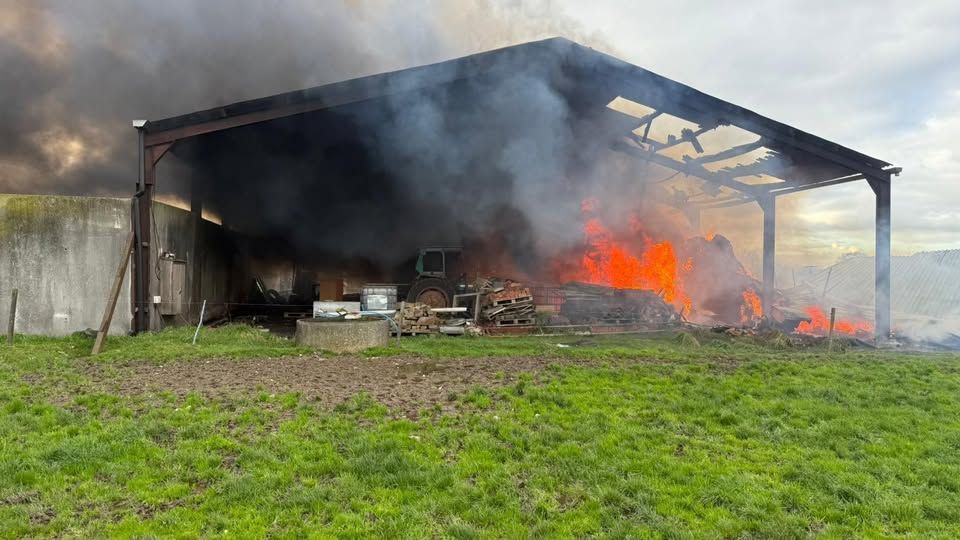
Each year in the UK, approximately 1,600 farm buildings are destroyed by fire – many of which could have been prevented.
Farms are vulnerable to accidental fires, such as a cigarette discarded into a field or hay that has self-heated and ignited.
A serious fire on a farm can affect the financial stability of even the most well-run business - 40% of businesses that suffer a serious fire never
trade successfully again.
While horses and ponies make up a large proportion of the animals we assist, Cheshire is also home to cattle and other livestock kept on farms, smallholdings, and private land.
With major equestrian venues, riding schools, livery yards, and countless farm businesses across the county - as well as horseboxes, livestock
trailers, and agricultural vehicles travelling our roads every day - our crews encounter a wide range of large animal emergencies.
Understanding how our animal rescue technicians work and knowing what they may need from you if called out can help resolve incidents
quickly and safely, while keeping distress to your animal to a minimum
A fire hazard is anything that could start a fire, including ignition sources and combustible materials. In barns and stables, hay is a major risk,
because it can self heat and ignite.
Hay with moisture above 18% can ferment, producing heat and flammable gases. If the internal temperature reaches 55°C, there is a high
risk of ignition. Check hay frequently, especially within the first six weeks since cutting. Hay temperature probes can help you monitor the centre of the bales.
Machinery and vehicles can be an unexpected hazard. Maintain equipment with regular electrical and mechanical servicing to mitigate
overheating risks. To protect livestock and structures, ensure all vehicles are parked well away from buildings
Around 40% of farm fires are started deliberately. While arson attacks may be difficult to eliminate, taking precautions can reduce the risk. Our
simple checklist on page 5 will help you see whether any red highlighted risk areas apply to your property. If so, steps should be taken to reduce the risk.
Every business is legally required to complete a fire risk assessment, and this checklist should be included within your wider fire risk assessment and action plan.
Last updated: Friday, 7 August 2026