
- Your safety
- Water safety
- Boat safety
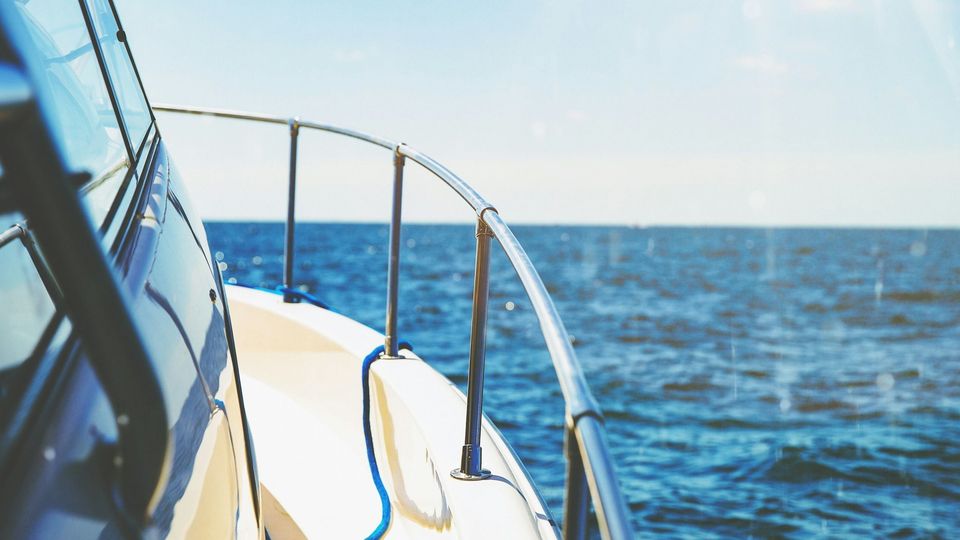
By following our advice, you can ensure your boating activities are safe and enjoyable:
Make sure you know your boat and make a fire action plan with everyone in the boat.
Fit a smoke alarm that meets British Standard BS5446 Part 1 and carries an approval mark such as 'kitemark'. Test it weekly.
Fit a gas and petrol vapour detector alarm in the bilge and cabin space to give you early warnings of gas build-up.
Check all appliances are turned off and, if possible, close the valve on the LPG cylinders before you go to bed or leave the boat.
Never leave a burning candle unattended. Make sure they are put out safely.
Keep candles, matches, lighters and other sources of flame out of reach of children.
Make sure cigarettes are put out safely, ideally using a metal ashtray. Never smoke in bed, and make sure cigarettes are properly extinguished before falling asleep.
Take any pans off the heat if you need to leave the kitchen area. Keep hobs clear and never leave items on them. Read more of our cooking safety advice.
Don't fit curtains or fabrics near hob burners, and don't dry tea towels or clothes over a cooker or hob.
Escape of gas from an LPG installation coming into contact with an ignition source.
Flammable vapours entering the accommodation space and coming into contact with an ignition source.
Incorrectly installed heating appliances, particularly those that haven’t been installed by a professional.
Candle or cigarettes close to combustible materials or left unattended.
Read more about bedtime routines and escape routes on our Home Safety webpages. Consider the following when you create an escape plan:
Your means of escape should always be clear and free from obstructions and potential trip/slip hazards
Have an alternative escape route in your mind, in case the normal route gets blocked.
All doors or windows for means of escape should open easily in the event of a fire; keep keys to doors and windows to hand.
If a window needs to be broken, use a heavy object to break the glass in the bottom corner and cover any jagged edges with a towel to avoid injury.
Plan ahead and plan together. Prepare and agree an escape plan with those on board, including visitors.
In the event of a fire, everyone should stay calm, follow the agreed escape plan and get off the boat as quickly as possible:
Keep low, where the air is clearer.
If clothing catches fire, stop, drop and roll. Use a fire blanket to smother the flames.
Always try to remember the location of the boat; it will be essential information in the event of an emergency. Use What3Words to give emergency services a precise location. Try to give clear, concise directions for more difficult routes if you know them.
Do not go back onto the boat, no matter what - GET OUT, STAY OUT and dial 999!
Fire safety on boats (new window PDF 825kb).
Canal & River Trust (opens in new window).
Last updated: Thursday, 28 May 2026