- Fire protection
- Engagement
- Clubs, bars, restaurant...
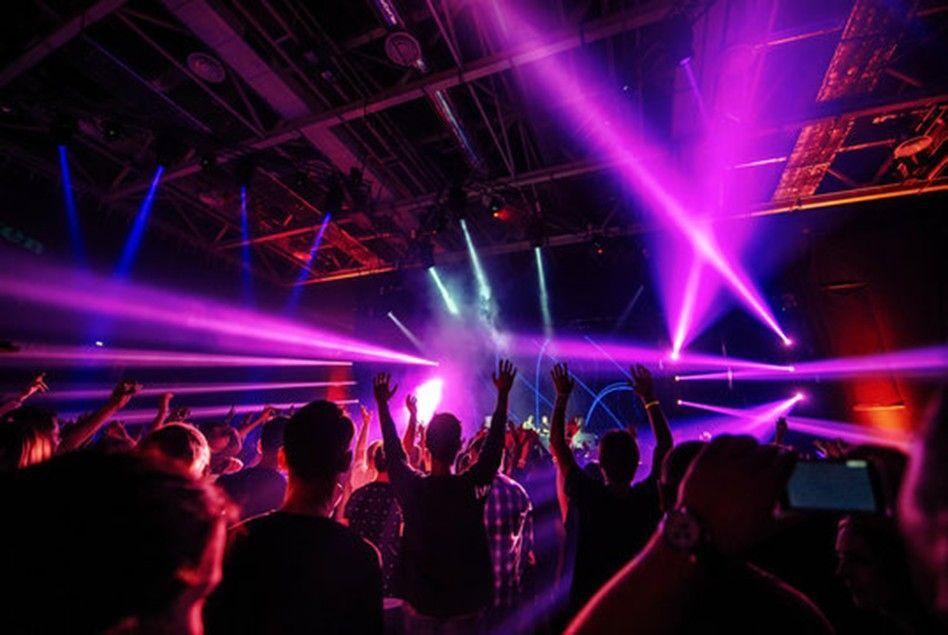
Places of assembly and other licensed venues provide spaces for entertaining members of the public, often with vibrant décor and soft furnishings, creating a welcoming atmosphere for visitors.
Due to their unique nature, many venues may have limited lighting, several changes in level, the presence of bars and alcohol service, and unusual surface linings on the walls and ceilings. In other venues, there may be specific features including stage effects for live music including the use of pyrotechnics, indoor fireworks or other special effects.
With proactive fire safety management and appropriate licensing, these premises can be made safe and enjoyable. Without measures implemented, premises may become dangerous with flammable interiors posing a risk to employees, members of the public and other visitors.
Significant fires are also likely to disrupt daily operation, impacting business continuity.
Venue owners, managers and staff should be aware of the risks and how to manage them effectively to keep people safe and protect the business.
When visiting these premises, members of the public should always identify their nearest exits and report any blocked exits or dangerous use of pyrotechnics, indoor fireworks or other equipment to venue management immediately.
Occupancy – particularly in premises providing night-time entertainment where the commercial pressure may result in the premises exceeding the designated capacity or where there may be blocked or insufficient exits for the number of people attending, leading to overcrowding.
Poorly maintained electrical systems – where venues have live music or additional equipment to support entertainment (i.e. catering equipment, sound systems, portable lighting).
High fire-loading and surface linings – some venues may use curtains, drapes or other materials to decorate the premises. If these items are not fire-retardant, they may ignite and add fuel to a developing fire.
Pyrotechnics, candles, handheld indoor fireworks – the use of pyrotechnics, candles and handheld fireworks are increasingly popular in premises providing entertainment, designed to achieve a “wow” factor, but their use introduces an additional ignition source to the premises.
Dimly lit areas and specialist lighting – many venues may opt for darker or dimly lit areas to achieve a more desirable atmosphere for visitors. Others may use special effects lighting such as lasers or strobes. Both can cause confusion and disorientation to visitors exiting a premises in an emergency situation.
Increased noise levels – amplified music or other sound effects are not uncommon for venues providing entertainment. Though the risk of these sounds must be considered against the audibility of any fire alarm warning system installed on the premises.
Inadequate staff training and evacuation procedures – daily operation and evacuation procedures in an emergency must always be considered due to the increased risks posed by the nature of entertainment venues. Individuals should be effectively trained in any special effects, systems or equipment used on the premises, as well as what to do in the event of fire.
Venue owners and managers should make sure that a proper and appropriate assessment of risk has been made through the fire risk assessment. A suitable and sufficient fire risk assessment will ensure that risks are effectively mitigated, managed or removed to keep people safe.
It is strongly advised that venues consider prohibiting the use of pyrotechnics and handheld fireworks (including sparklers) within the premises and implement further control measures where they are permitted outdoors.
Subject to the fire risk assessment, where the use of these items is deemed acceptable, they should only be operated by suitably trained and competent persons.
Within the fire risk assessment, consideration should be given to the number, dimensions and location of emergency exits. Exits should be proportionate to accommodate emergency evacuation of occupants, assuming the venue is at maximum capacity.
Detail should be given regarding the appropriate maintenance schedule for all equipment on the premises including specialist lighting, stage effects and fire safety measures. Maintenance should be carried out by a competent person with records kept demonstrating that it has been undertaken to a satisfactory standard.
Rigid house-keeping procedures should be implemented to ensure that escape routes are kept clear at all times and to keep general fire loading to a minimum.
The fire risk assessment must also detail the fire safety measures necessary to protect occupants escaping in a fire. This should include how people will be made aware of a fire, ensuring that any fire alarm warning system can be heard over amplified sounds. It should also explain how occupants will safely leave the premises, including consideration given to emergency/escape lighting and any staffing procedures required to assist.
Surface linings such as drapes and curtains should be made of fire-retardant materials or treated so that they are less likely to ignite in a fire.
In accordance with the Licensing Act 2003, Cheshire Fire and Rescue Service will review licensing applications received by the licensing authorities in Cheshire. Where appropriate, observations (or representation) may be given in relation to the management and associated fire safety measures detailed, or not, within the application.
You can find out more information about the licensing authority in your area on their website:
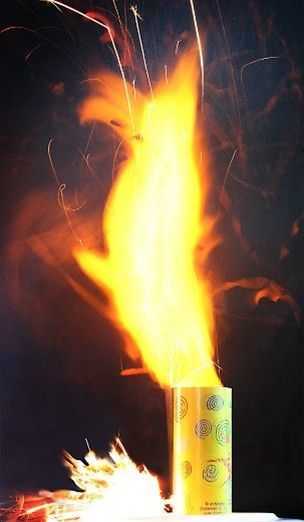
It is recognised that licensing applications may request to use handheld fireworks (such as sparklers). Whilst these requests can be submitted throughout the year, it is expected that there will be an increase in requests of this nature at certain points within any given year, around celebratory events (bonfire night, religious events/holidays and in the run up to New Year’s Eve).
It is the Service’s policy that using sparklers indoors is not permitted.
Where applications relating to the use of handheld fireworks are received, they will only be deemed permissible by Cheshire Fire and Rescue Service, where the following mitigating measures have been agreed:
No sparklers or other handheld fireworks shall be permitted to be used inside the premises at any time.
Sparklers shall not be used as decorations in cocktails or other drinks.
When sparklers or handheld fireworks are used outside, at least one member of staff shall monitor their use.
Buckets of water and/or sand shall be provided for the safe disposal of used wands.
For new buildings or where alterations are proposed, these will be subject to Building Control approval. Approval is granted where building requirements are deemed to meet the functional requirements of the Building Regulations 2010.
In accordance with these Regulations, Cheshire Fire and Rescue Service act as a statutory consultee for plans and proposals deposited by the Local Authority Building Control or Registered Building Control Approver.
To reduce the risk of internal fire spread, premises subject to the Building Regulations must comply with functional requirement B2.
Details regarding the classification of surface linings for different room sizes and occupancy types is given within Approved Document B, Volume 2: Buildings other than dwellings.
Last updated: Tuesday, 13 January 2026