- Your safety
- Home safety
- Burning rubbish, bonfir...
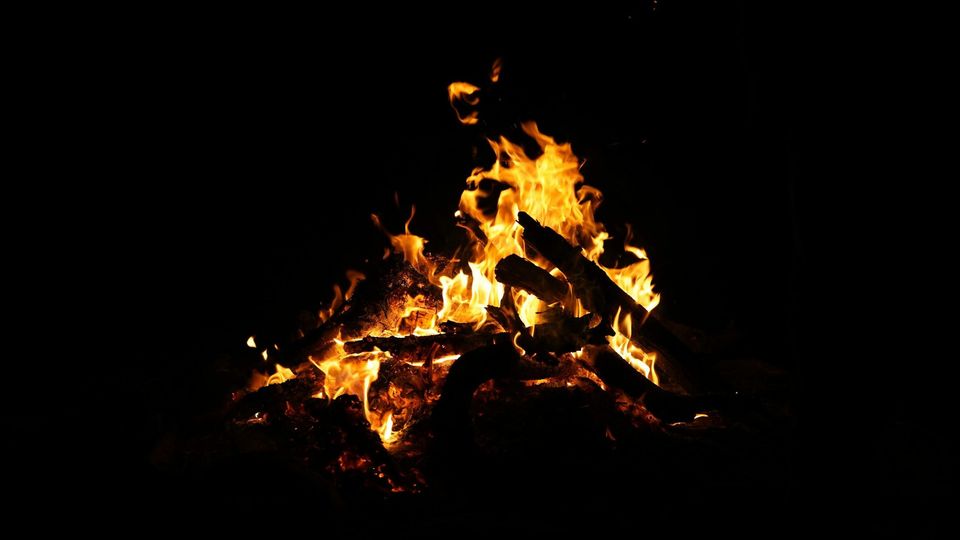
If you are planning a large burn, such as clearing construction or agricultural materials, inform North West Fire Control on 01925 460852 in advance.
This helps avoid unnecessary emergency responses if the fire is reported by others who see your burn.
If the burn spreads and is no longer controlled or is at risk of affecting nearby property call 999.
Controlled burning is not always safe or legal.
View further information about garden fires / bonfires and the law (opens in new window).
Burning certain materials can be dangerous, harmful to health and break environmental laws. You cannot get rid of household waste if it will cause pollution or harm people’s health - this includes burning it.
Do not burn:
Household waste such as plastics, rubber or packaging, as these release toxic fumes.
Treated, painted or varnished wood, which can give off harmful chemicals.
Electrical items or batteries, which can explode or release hazardous substances.
Aerosol cans, which can explode when heated.
Tyres, foam, or synthetic materials that produce thick, toxic smoke.
Avoid burning garden waste that is wet or green, as it creates excessive smoke and can cause nuisance.
Check your local household waste recycling centre for opening times and what they can recycle for you.
There are safer and more environmentally friendly ways to dispose of garden waste.
Composting is a simple way to recycle materials such as:
Grass cuttings
Leaves
Uncooked vegetable waste
Composting can also help improve your garden and reduce environmental impact.
You may be able to access discounted compost bins and advice from your local council:
Last updated: Wednesday, 20 May 2026