Fire safety in the home


Smoke alarms
Smoke alarms

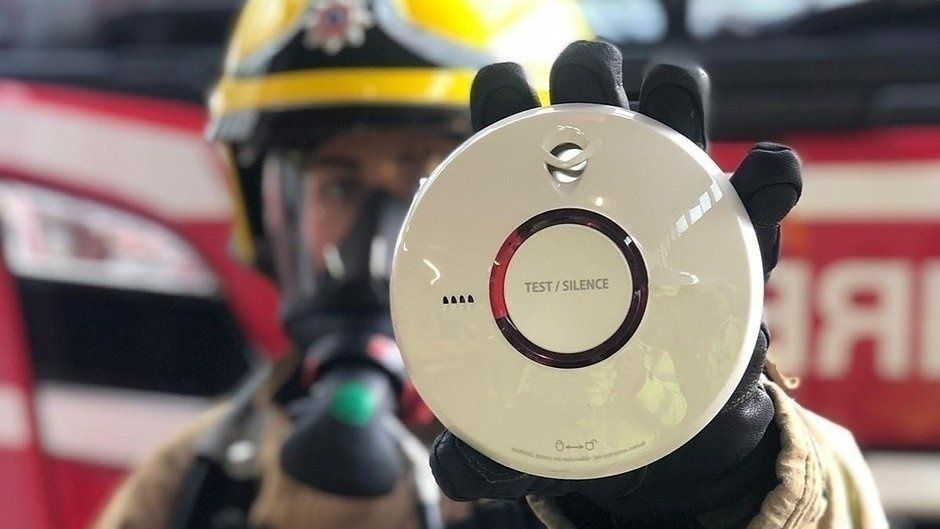
Smoke alarms save lives

Cooking safety
Cooking safety

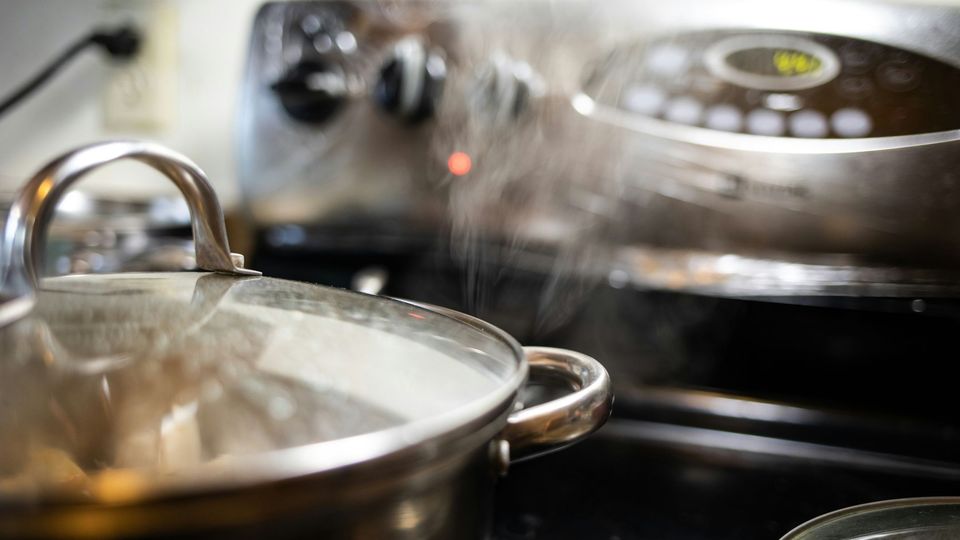
More than half of accidental fires at home are started by cooking.

Electrical safety
Electrical safety

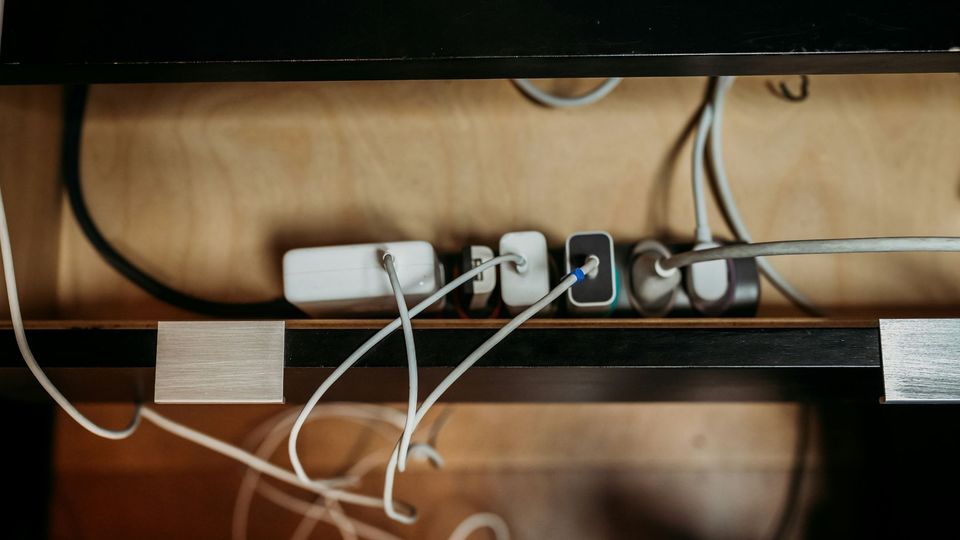
Electrical fires stem from faulty appliances, wiring or misuse.

Lithium-ion batteries

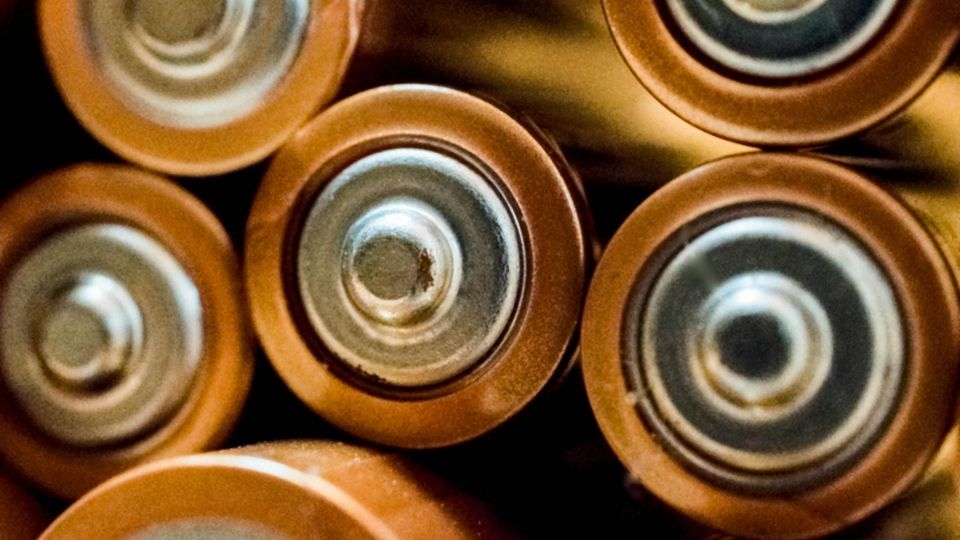
Lithium ‑ ion batteries are rechargeable batteries used in many everyday items.

E-bikes
E-bikes

Electric bikes and electric scooters are becoming increasingly popular.

Candle safety
Candle safety

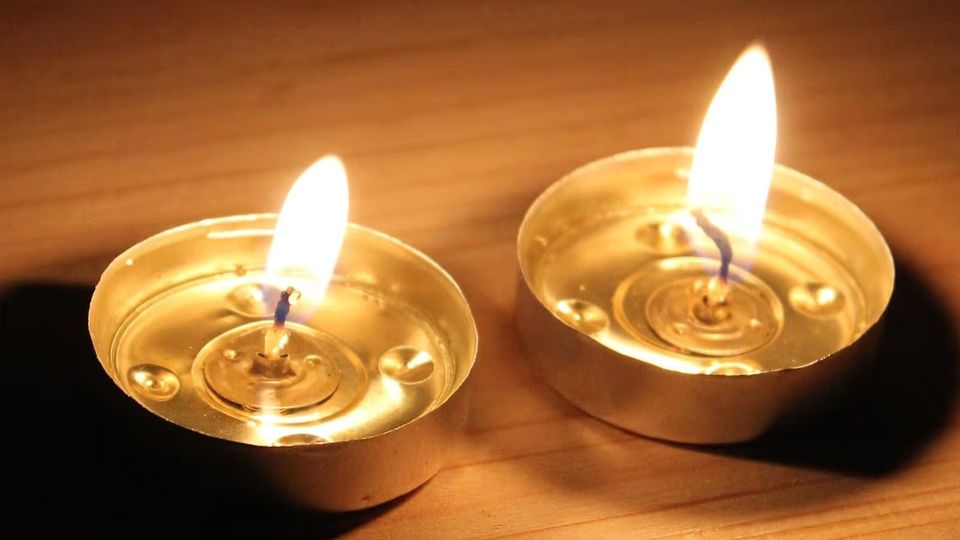
Candles create a warm glow, but you must use them carefully.

Windows and mirrors
Windows and mirrors

Keep reflective and glass objects away from direct sunlight to reduce fire risk at home.

Chimneys
Chimneys

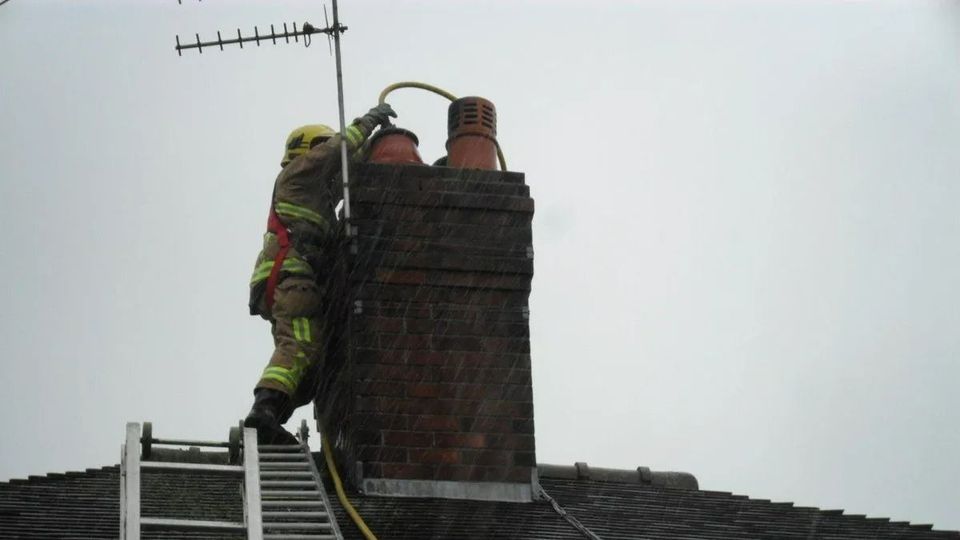
Keep your chimney maintained and use your fire safely to reduce fires and monoxide.

Wood-burning stoves
Wood-burning stoves

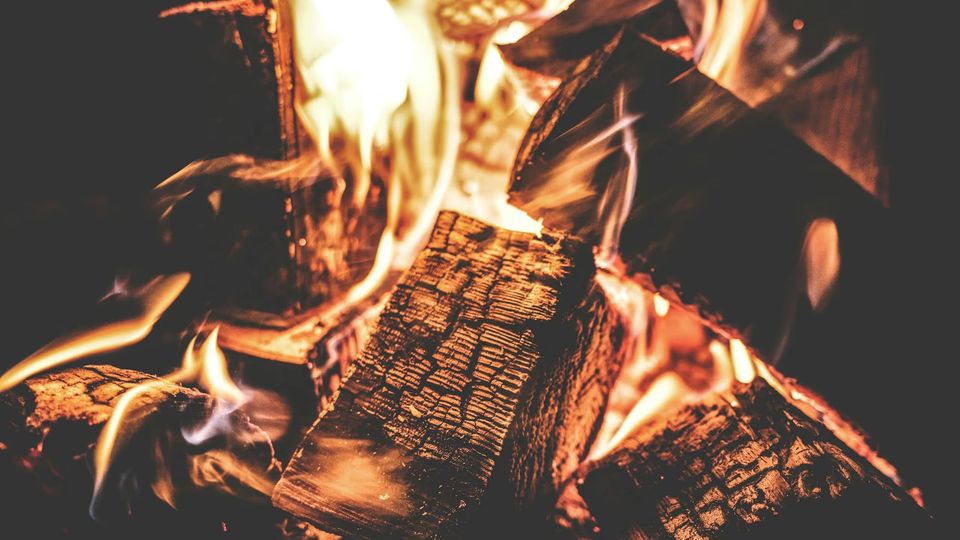
Safely use your wood-burning stove with correct fuel and maintenance to avoid fires.

Bio-ethanol burners
Bio-ethanol burners

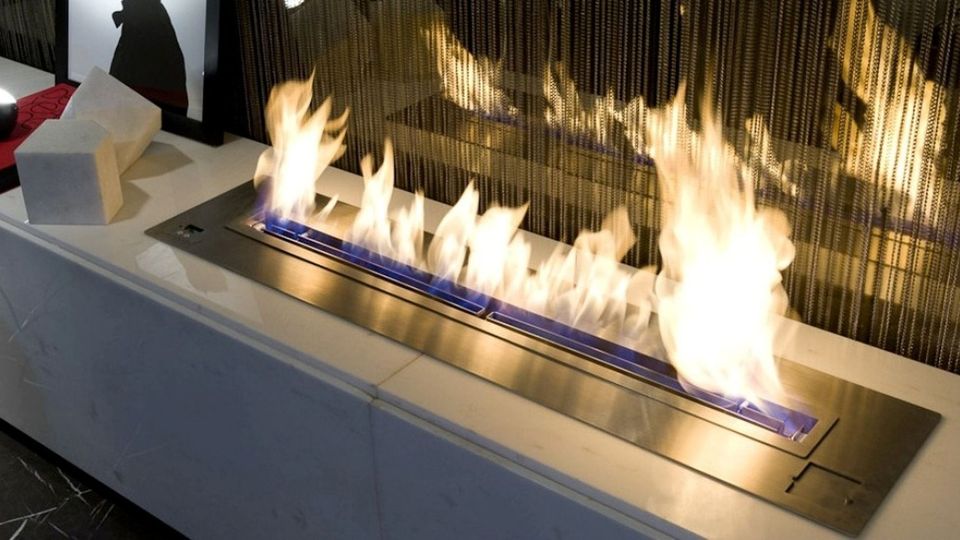
If you use a bioethanol fire or lantern at home, we have important safety advice for you.

Carbon Monoxide
Carbon Monoxide

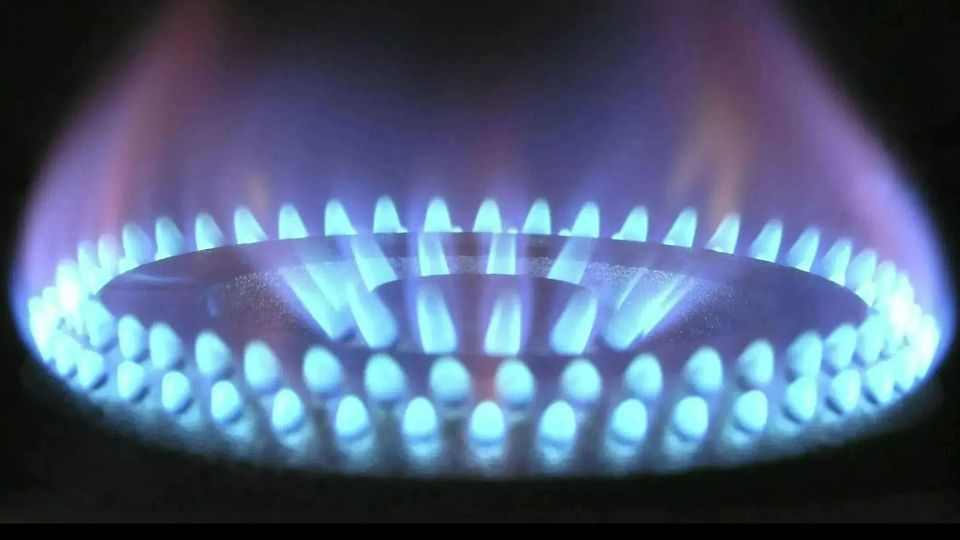
Carbon monoxide (CO) is a poisonous gas you cannot see, smell or taste.

High rise homes, flats and apartments

Follow building fire safety advice to protect yourself and escape safely in fires.

Clutter and Hoarding

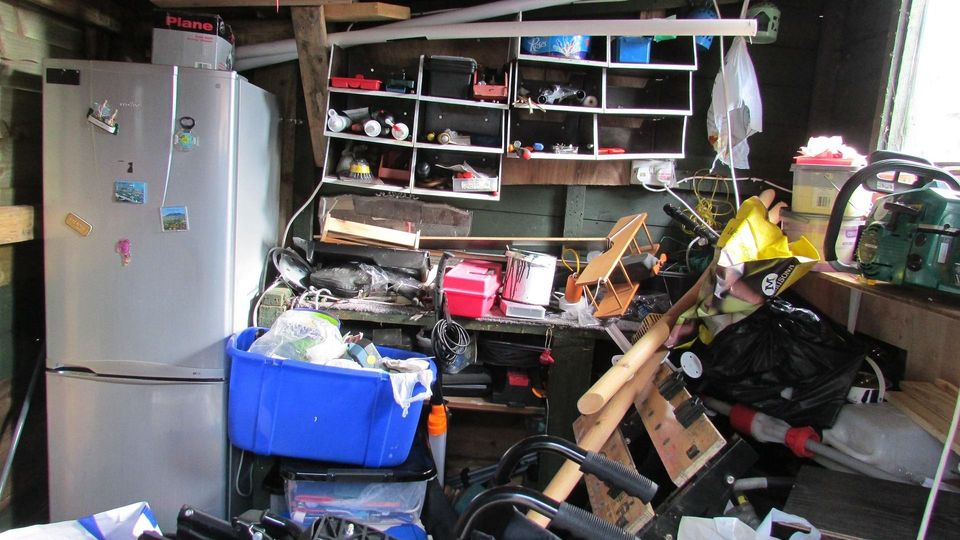
High levels of clutter can make it easier for a fire to start and spread quickly.

Bedtime Routine and Escape Routes

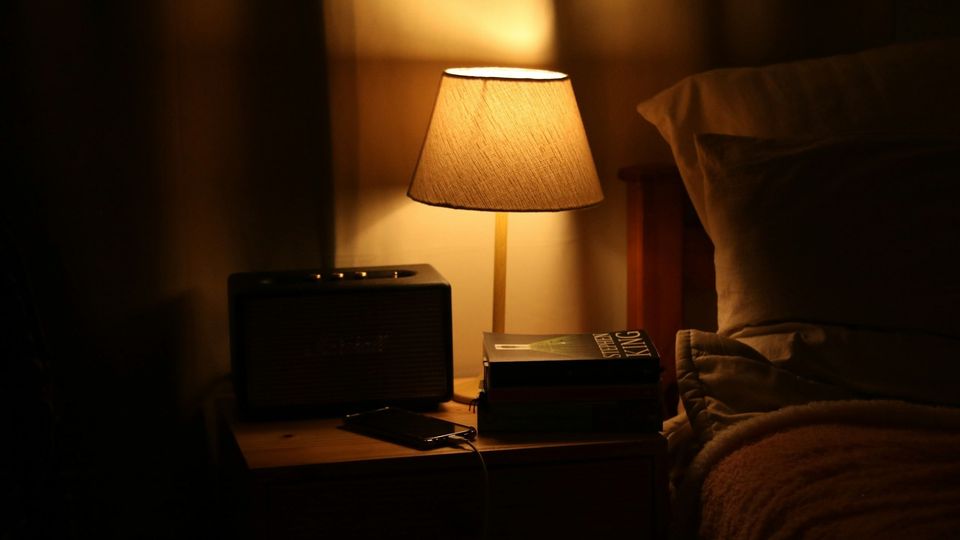
The best way to stay safe from fire while asleep is having a bedtime routine at home.


Last updated: Wednesday, 20 May 2026


Share