
- Your safety
- Home safety
- Fire safety in the home
- Lithium-ion batteries

Lithium‑ion batteries are rechargeable batteries used in many everyday items. They store and release energy efficiently, making devices portable and easy to use.
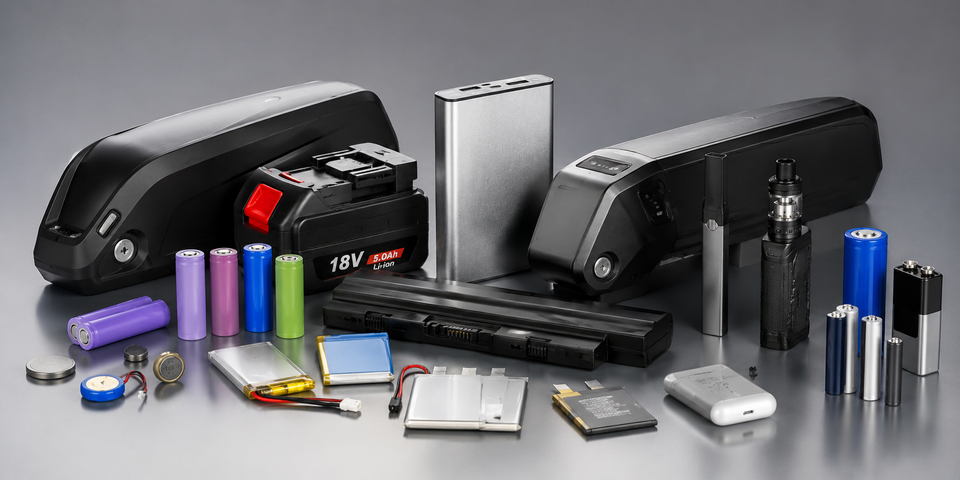
Lithium‑ion batteries are generally safe when used correctly, but if damaged or misused they can fail suddenly and cause intense, fast‑moving fires. These fires can produce toxic fumes and may reignite.
You can find lithium‑ion batteries in:
Mobile phones, tablets and laptops.
Vapes.
Power tools and vacuum cleaners.
E‑bikes and e‑scooters.
Use the correct charger for your device.
Charge on a hard, flat surface.
Do not charge batteries while asleep or away from the home.
Unplug chargers once charging is complete.
Allow batteries to cool after use before recharging.
Never charge a damaged battery.
Never charge devices near exits or on escape routes.
Ensure smoke alarms are fitted nearby and working.
Batteries can become dangerous if damaged.
Avoid dropping, crushing or puncturing batteries.
Avoid exposing them to extreme heat or cold (e.g. hot cars).
Using incorrect or incompatible chargers.
Getting batteries wet.
Charging problems (slow or incomplete).
It feels unusually hot.
Bulging or swelling shape.
Giving off a strong or unusual smell.
Hissing or cracking sounds.
Smoke coming from the device.
If you notice any of these signs:
Unplug the device if it’s charging.
Stop using it immediately.
Don’t ever try to open or fix it yourself.
Contact the manufacturer for advice. If a fire occurs, get out, stay out, call 999.
Turning a standard pedal bike into an electric bike always needs to be done by a professional, to ensure it’s done safety and meets the UK safety standards.
Speak to a professional about purchasing from a reputable supplier of conversion kits – they can likely source the kit for you.
Ensure components meet UK or European safety standards.
Do not modify batteries, motors or chargers yourself.
Always follow manufacturer instructions for the kit once your conversion is complete.
Never dispose of batteries in household or recycling bin.
Use manufacturer take‑back schemes or local authority recycling services
Check your council’s website for guidance
Further information available on: Consumer products: recycling batteries and electrical waste - GOV.UK.
Last updated: Wednesday, 30 September 2026