- Your safety
- Home safety
- Fire safety in the home
- Carbon Monoxide
Carbon monoxide stops oxygen reaching your body’s cells, tissues and organs. Even low levels over time can cause serious harm, and high levels can be fatal.
CO can build up quickly without warning.
It can cause serious illness, long-term damage to your health or death.
Symptoms of carbon monoxide poisoning include headaches, nausea, dizziness, breathlessness, collapse and loss of consciousness.
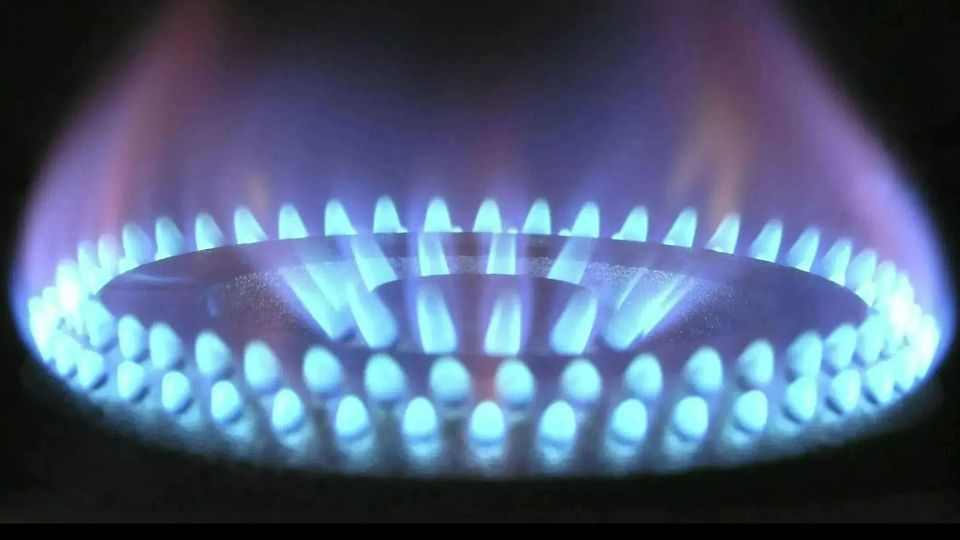
There are signs you should be aware of which may warn you that fuel is not burning properly.
Yellow or orange rather than blue flames (except fuel-effect fires or flueless appliances which display this colour flame).
Soot or yellow/brown staining on or around appliances.
Pilot lights that frequently go out.
Increased condensation on windows.
Faulty, poorly maintained or badly ventilated appliances increase the risk.
CO alarms provide an early warning if carbon monoxide is present in your home.
Buy from reputable retailers and follow the manufacturer's instructions for installation.
Install alarms near potential sources and in sleeping areas.
Avoid placing them near vents or windows.
Test them weekly along with your smoke alarm.
Act quickly if you think there may be CO in your home.
Get fresh air immediately by going outside – do not return inside.
Leave open doors and windows on your way out.
Turn off appliances if it is safe to do so.
Do not use naked flames, such as light a cigarette.
Call 111 to seek medical advice or 999 in an emergency.
Contact Cadent Gas as soon as possible on 0800 111 999.
Take steps to stay safe and prevent a leak.
Have appliances serviced regularly by a Gas Safe registered engineer.
Have chimneys and flues checked and cleaned.
Never use fuel-burning appliances in enclosed spaces not designed for indoor use.
Call the free helpline on 0800 408 5500
Last updated: Wednesday, 20 May 2026