

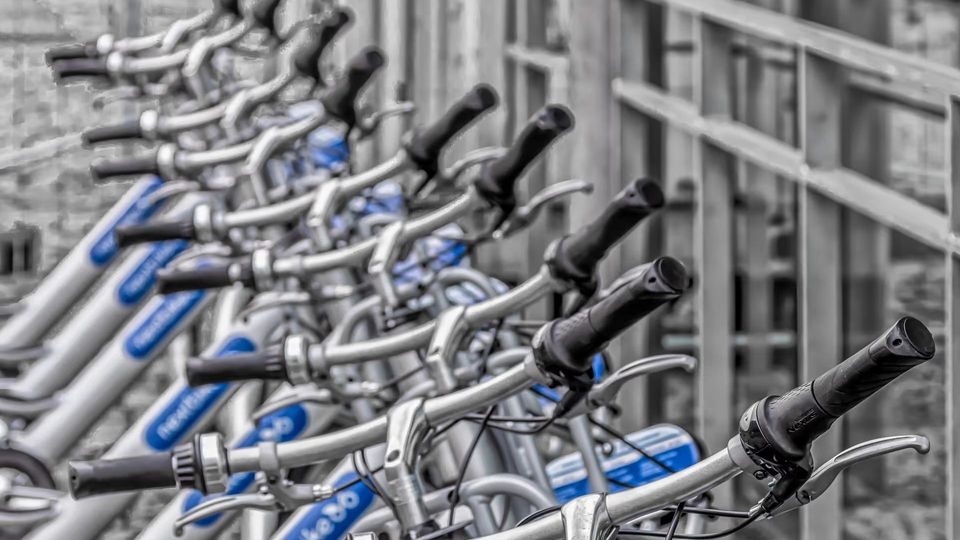
The use of e‑bikes and e‑scooters is increasing, and so is the risk of fires involving their batteries. Lithium‑ion batteries can fail suddenly, explode and cause fast‑spreading fires.
In the event of a fire – get out, stay out, call 999.
Follow the manufacturer’s guidelines when charging and always unplug your charger when finished to avoid overcharging your battery.
Ensure you have working smoke alarms. We recommend install heat and smoke detectors when you store and charge your electric bike or electric scooter.
Only charge batteries while you are awake and alert so you can respond quickly in the event of a fire.
Never charge batteries while you are asleep or away from the home.
Always use the manufacturer-approved charger for the product, and if you spot any signs of wear and tear or damage buy an official replacement charger for your product from a reputable seller.
Do not cover chargers or battery packs when charging as this could lead to overheating and cause a fire.
Do not use an extension lead.
Store in a cool, dry place away from heat or direct sunlight.
Keep e‑bikes, e‑scooters and batteries away from escape routes and exits.
Avoid storing or charging in communal areas if you live in shared apartments such as flats or apartments.
Follow manufacturer guidance if storing for long periods to check how to maintain your battery.
Buy products, batteries and chargers from reputable retailers - take particular care if buying from online auction or fulfilment platforms and report any suspected unsafe listings.
Avoid counterfeit or non‑compliant products – they post a serious fire risk as they will not meet safety standards.
Converting a push bike or scooter to run on a lithium-ion battery should only ever be done by a professional.
Register your product with the manufacturer for safety updates, recalls and warranties.
You can check any products you have bought are not subject to a product recall. You can do this by checking the electrical safety first website or the government website.
Check batteries regularly for signs of damage.
Do not use or charge damaged batteries.
Replace damaged batteries or chargers with approved products and only allow professionals to carry out repairs.
Never dispose of batteries in household or recycling waste.
Use manufacturer take‑back schemes or check your local authority recycling services.
Last updated: Wednesday, 30 September 2026