
- Your safety
- Home safety
- Looking after your heal...
- Staying Warm
- Portable heaters

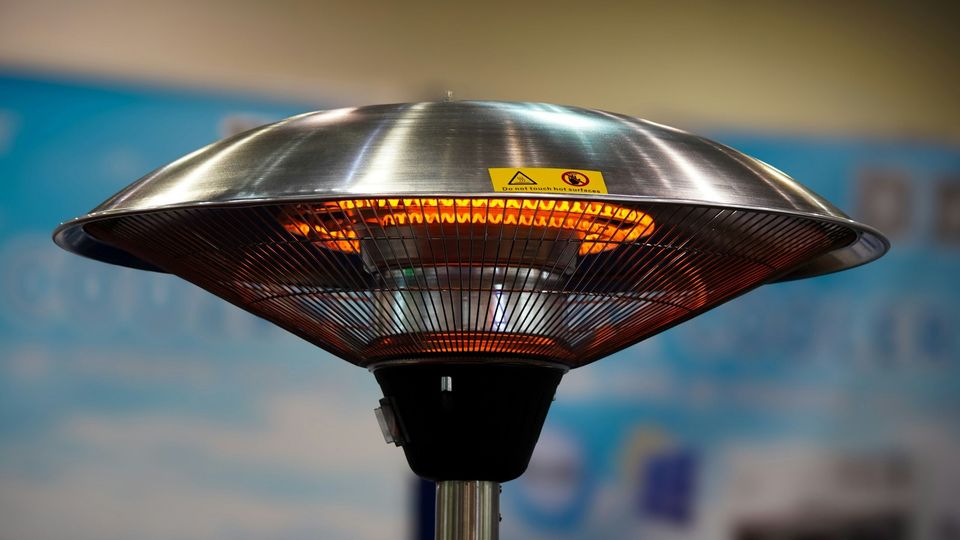
Only buy portable heaters from reputable retailers.
Always follow the manufacturer’s instructions.
Turn heaters off before going to sleep or leaving the room.
Keep heaters clean and free from dust, and never cover or paint over them.
Ensure the room is well ventilated.
Use heaters with a protective guard where possible.
Place heaters on a stable, level surface where they cannot be knocked over.
If brackets are provided, have the heater securely fixed to the wall by a professional.
If you rely on fixed electric heaters, make sure they are installed by a qualified electrician.
Only use heaters designed for indoor use and follow the manufacturer’s guidance.
Never:
Move a heater while it is switched on or still hot.
Sit or stand too close to a heater, as clothing can catch fire.
Place heaters near curtains, bedding or furniture.
Dry clothes on or over a heater.
Place heaters where they could be knocked over.
Leave heaters unattended, especially around children or pets.
Use flammable liquids, sprays or adhesives near a heater.
Portable gas heaters use Liquefied Petroleum Gas (LPG), such as butane or propane. Follow these safety tips to reduce the risk of fire or gas leaks.
Only buy heaters that carry a recognised safety mark, such as the BSI kitemark.
Have the appliance serviced and checked regularly.
Change gas cylinders outdoors where possible. If indoors, ensure windows and doors are open for ventilation.
Never change a cylinder on a stairway or in an escape route.
Turn off all ignition sources, including cigarettes, pilot lights and electrical appliances before changing a cylinder indoors.
Check the empty cylinder valve is closed before disconnecting. Only open the new cylinder valve once it is securely connected.
Check for leaks using soapy water on connections – bubbles indicate a leak. If a leak is found, move the heater and cylinder outside and do not use them until repaired.
Store spare cylinders upright and outdoors where possible.
Never store cylinders in basements, near drains, under stairs or in cupboards containing electrical equipment.
Paraffin heaters can be used safely if handled correctly. Follow these precautions to reduce the risk of fire.
Only buy heaters that carry a recognised safety mark, such as the BSI kitemark.
Avoid buying second-hand heaters, as they may not meet current safety standards.
Use only the recommended fuel (premium grade paraffin).
Always turn off the heater and allow it to cool before refilling. Refill outdoors where possible.
Fill the tank carefully and do not exceed the maximum level.
Clean up any spills immediately and do not allow paraffin to drip onto surfaces.
Place the heater on a stable, level, non-combustible surface and keep it away from draughts.
Store fuel in approved containers and keep it away from heat sources.
Store fuel outside the home where possible and keep quantities to a minimum.
LPG and paraffin heaters can be more expensive to run and can also produce a lot of moisture. Keep a window slightly open to improve ventilation and reduce the build-up of condensation and damp.
Accidents often occur due to gas leaks when appliances are assembled or cylinders are changed. Liquefied Petroleum Gas (LPG), such as butane or propane, is stored under pressure and is highly flammable. Even a small leak can release a large volume of gas, which is heavier than air and can collect near the floor. This gas can ignite at a distance from the source of the leak, creating a risk of fire or explosion in enclosed spaces.
Last updated: Tuesday, 26 May 2026