
We have seen serious injuries caused by adding flammable liquids to lit fires and barbecues, with devastating consequences. While this may seem like common sense, distraction or alcohol can impair judgement and increase the risk of dangerous mistakes.
Enjoy your barbecue or outdoor fires responsibly and stay safe.
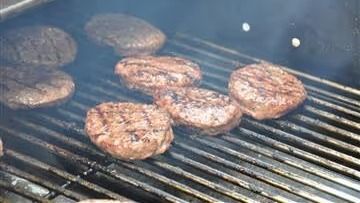
Follow these simple precautions to avoid injuries or damage to property.
Place the barbecue on a flat surface, well away from sheds, trees or shrubs.
Never use liquid accelerants to ignite your barbecue - plan ahead and allow time to light your fuel safely.
Never leave a barbecue unattended.
Keep children, garden games and pets well away from the cooking area.
Keep a bucket of water or sand nearby for emergencies.
Allow the barbecue to cool fully before moving it.
We advise against using disposable barbecues because of the fire risk, especially in open countryside. To reduce risk when using at home follow these tips.
It must be placed on an even surface on either bricks or paving slabs – do not place them on top of tables.
Place it well away from the house, shed or fences.
If you're using a disposable barbecue, ensure it has cooled fully before putting it in the bin. To avoid starting a fire you should allow it to cool for several hours and then consider pouring water over it to make sure it's completely out and cold.
Take care when using a charcoal barbecue, as hot coals and fuel can pose a serious fire risk.
Use only enough charcoal to cover the base to a depth of about 50mm (2 inches).
Use only recognised fire lighters or starter fuel on cold coals. Use the minimum necessary and never use petrol.
Never put hot ashes straight into a dustbin or wheelie bin, as they can melt the plastic and cause a fire.
Take care when using a gas barbecue, as leaks and faulty connections can increase the risk of fire.
Turn off the tap before changing the gas cylinder.
Change cylinders outdoors where possible, or in a well-ventilated area.
Check for leaks by brushing soapy water around the joints and watching for bubbles. Tighten if needed, but do not overtighten.
Turn off the gas cylinder first after cooking, then turn off the controls to use up any remaining gas in the pipework.
Never use fuel‑burning devices in a tent, camper or other enclosed space, as they can produce dangerous levels of carbon monoxide (CO). Using these devices indoors can cause Carbon Monoxide (co) poisoning.
Camping stoves
Camping heaters
Lanterns
Charcoal grills
Disposable barbecues
Be aware that these devices can give off fumes for hours after use, at levels high enough to cause CO poisoning.
Do not rely on opening tent flaps, doors, or windows as this will not prevent build-up of carbon monoxide.
Also, when using fuel-burning devices outdoors, ensure exhaust fumes are not entering enclosed shelters.
Last updated: Tuesday, 19 May 2026